
Make your Alaska experience more climate friendly - offset your flight’s CO2 emissions
330 guests have offset their flight to Alaska through our program to date (updated May 12, 2026)
*Tour discount code provided on confirmation page after offset checkout is complete
Offset based on your starting point
-

From West
Offset .75 metric tonnes CO2–the average amount per round-trip, coach class airline ticket from western U.S. states (inc Hawaii) or Canada to Alaska. Your offset helps mitigate global CO2 emissions through the Afognak Forest Carbon Project in Alaska.
From USD $18.15
-

From Central
Offset 1 metric tonne CO2–the average amount per round-trip, coach class airline ticket from central U.S. states or Canada to Alaska. Your offset helps mitigate global CO2 emissions through the Afognak Forest Carbon Project in Alaska.
From USD $23.86
-

From East
Offset 1.25 metric tonnes CO2–the average amount per round-trip, coach class airline ticket from eastern U.S. states or Canada to Alaska. Your offset helps mitigate global CO2 emissions through the Afognak Forest Carbon Project in Alaska.
From USD $29.58
Why choose to offset
Greenhouse gas emissions are widely agreed to be the key driver of accelerated climate change.
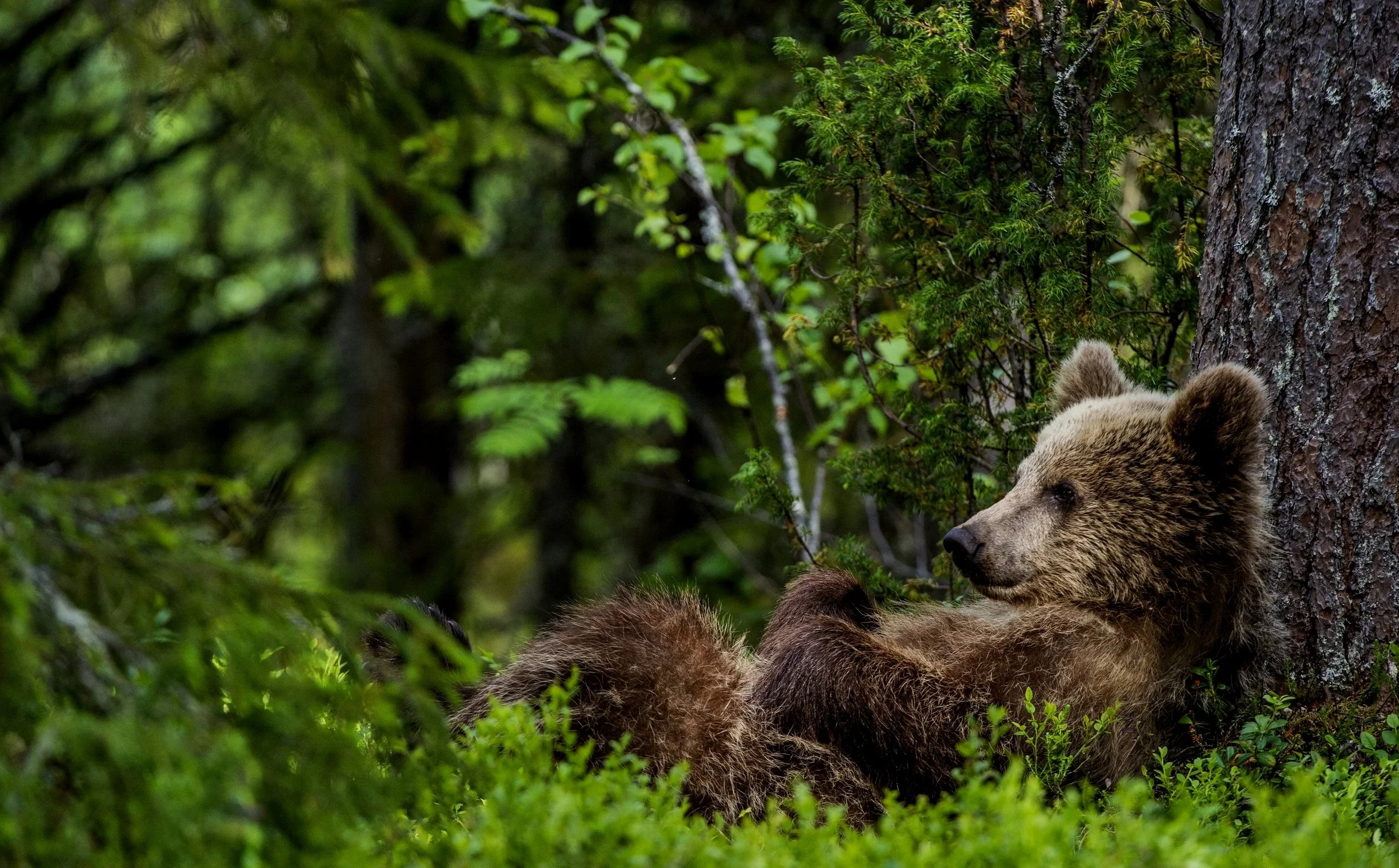
Increasing temperatures from climate change are threatening Alaska’s unique biodiversity and all the benefits it provides to visitors and locals.
Your offset helps lower global CO2 emissions, through the independently verified Afognak Forest Carbon Project, right here in Alaska.
Where your flight offset supports verified CO2 emission reductions
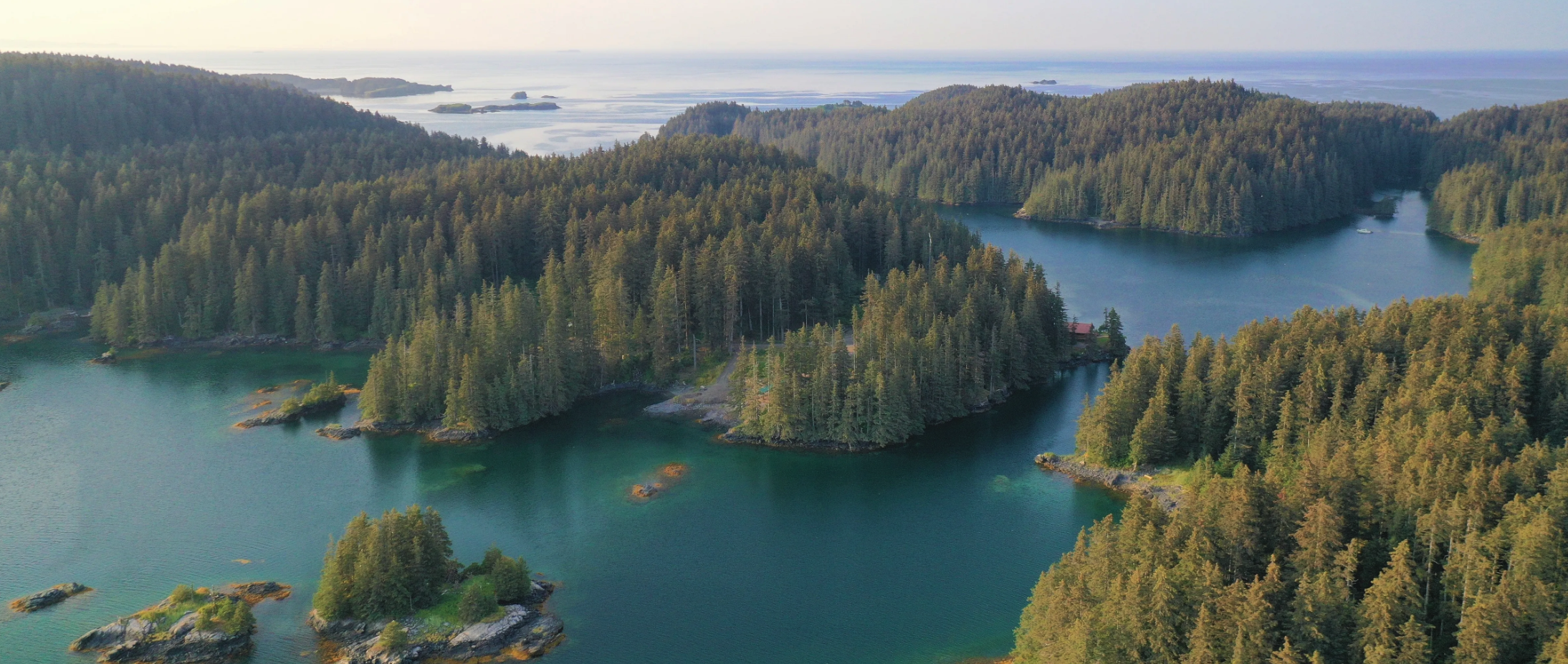
Afognak Island, Alaska
Afognak Forest Carbon Project
The Afognak Forest Carbon Project helps ensure old growth forest continues providing long-term carbon storage, and a home for a variety of biodiverse wildlife including Kodiak brown bear, river otter, bald eagle, and five different species of Pacific salmon. Spanning 8,200+ acres the project will draw down 1.5 million+ metric tonnes of CO2 over 30 years. Carbon standard: Verra. See technical details on registry.